How the work is done
The process of studying and designing the interiors of a property is essential to ensure a final result that reflects the needs and desires of the client. Below is a summary of the main phases of the process, as described:
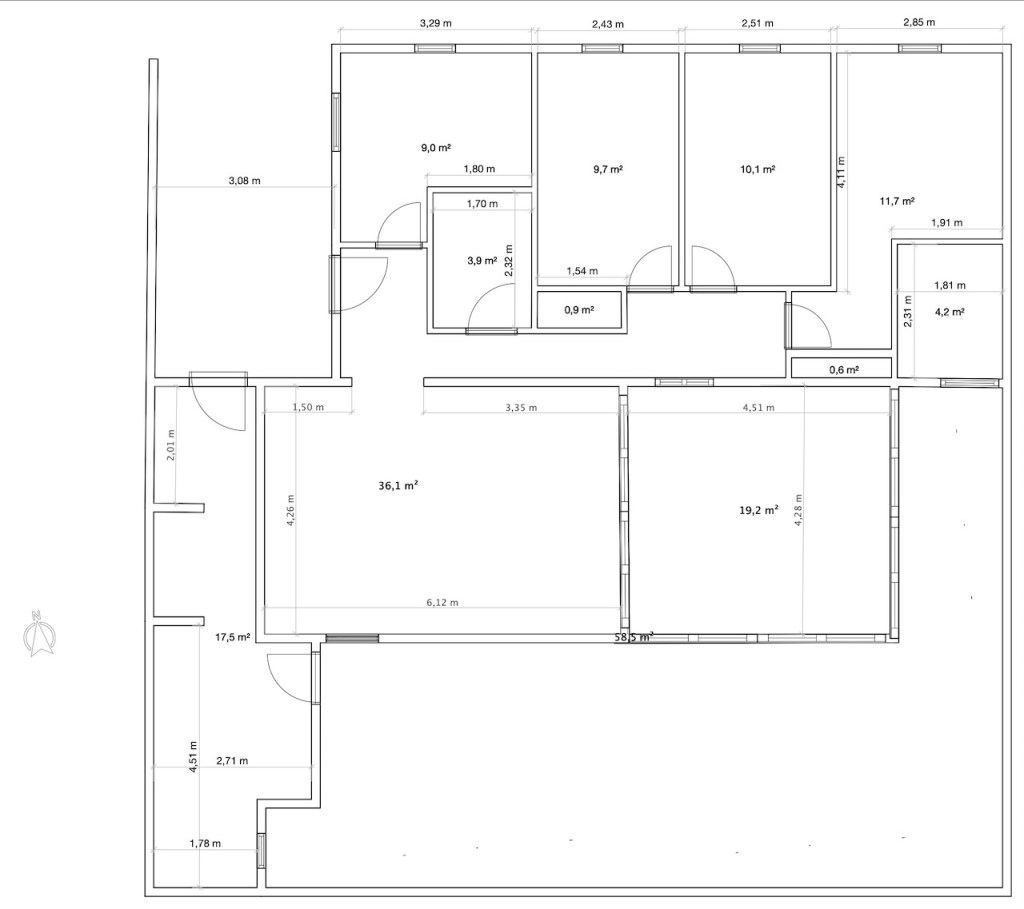
Survey of the property: A specialized technician visits the property to carry out an accurate survey of the rooms. This phase involves measuring all dimensions, including heights, widths, depths and the position of openings (windows, doors, etc.).
Detailed floor plan: Based on the measurements obtained, a detailed floor plan is created that represents the property or rooms in question. This plan serves as a basis for further developments and designs.
Furniture Arrangement: A floor plan is then drawn up showing the ideal arrangement of the furniture. It is important to consider not only the aesthetics, but also the functionality and practicality of the spaces.
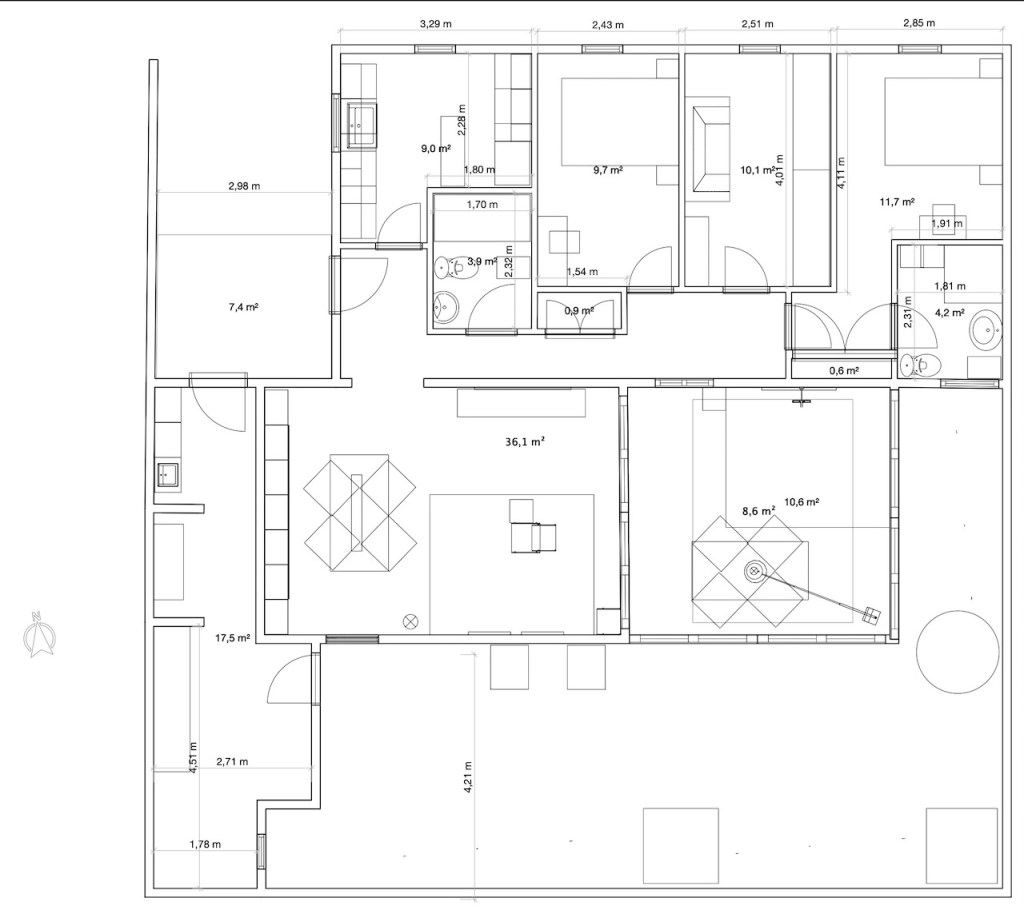
Ideal Solutions: During this phase, the designer discusses with the client the different design options and possible solutions, taking into account aesthetic preferences, operational needs and available budget.
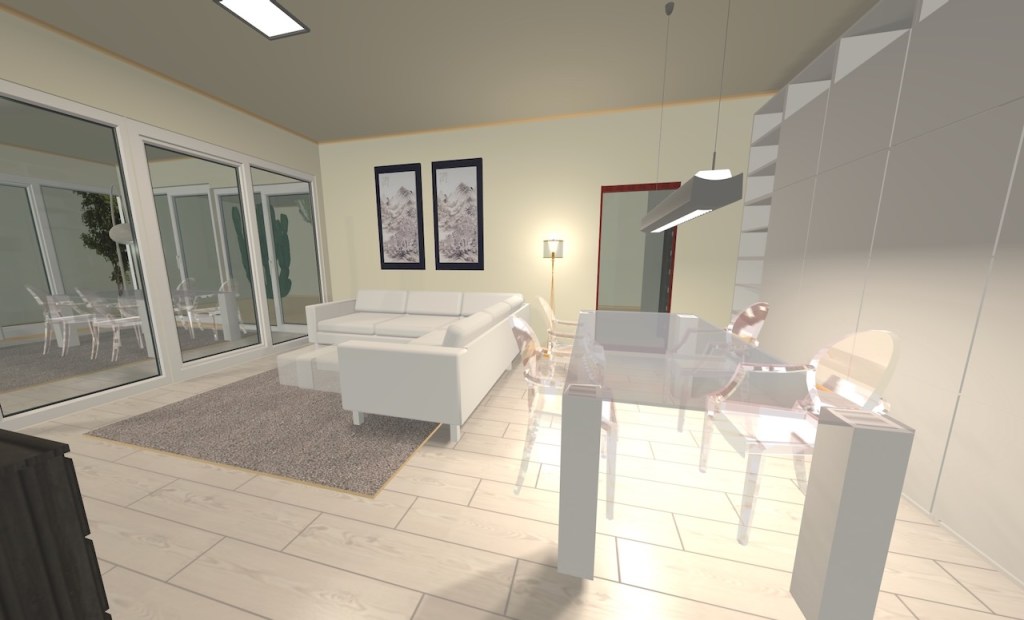
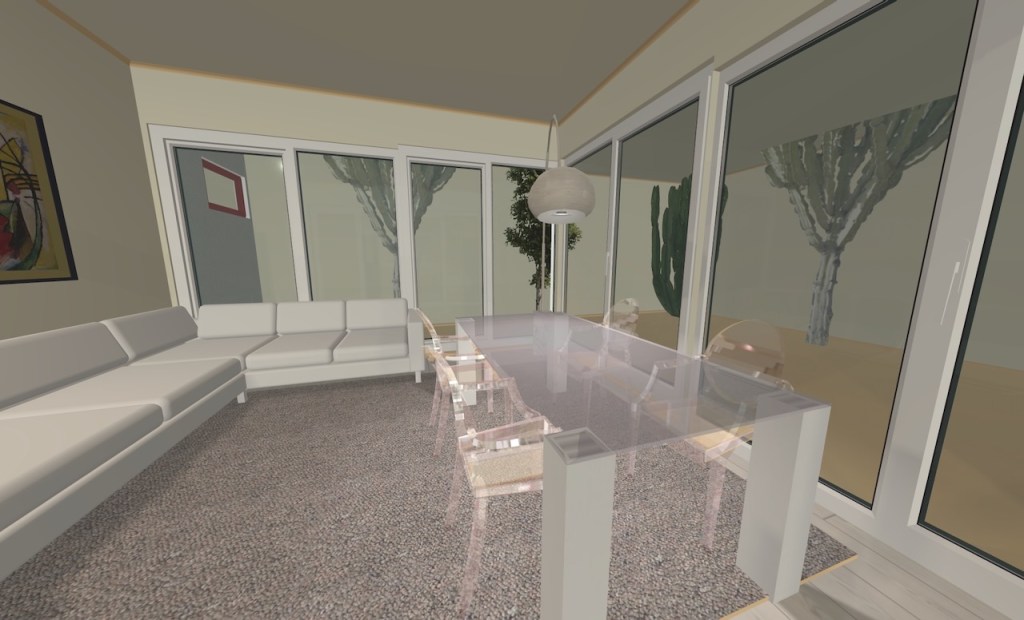
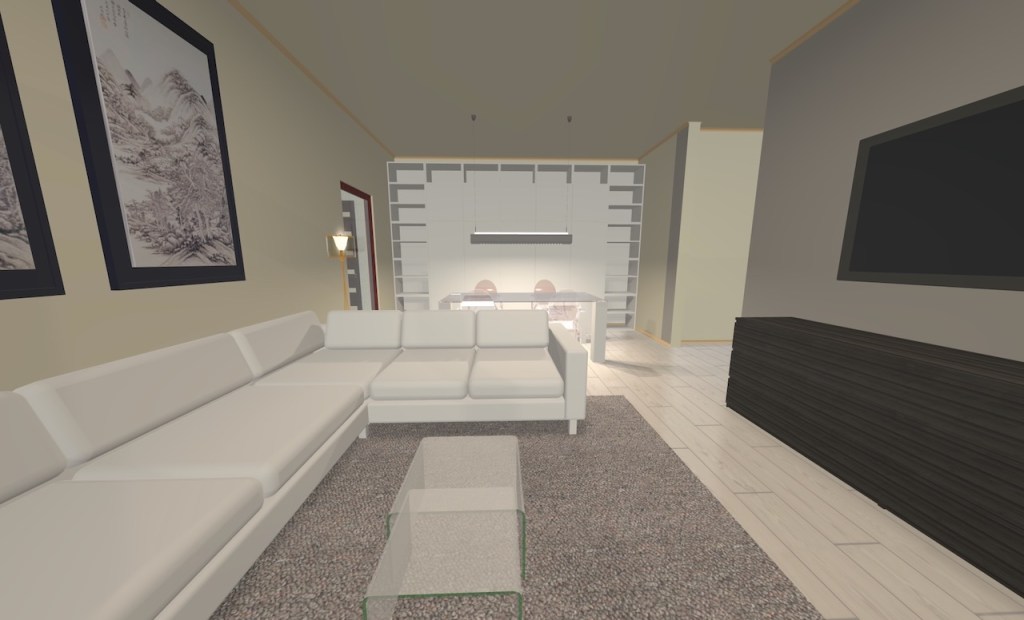
Rendering: Once the design choices have been defined, a 3D rendering is created that visually represents how the work will appear once completed. This provides a clear and concrete overview of the final project, allowing the client to visualize the result.
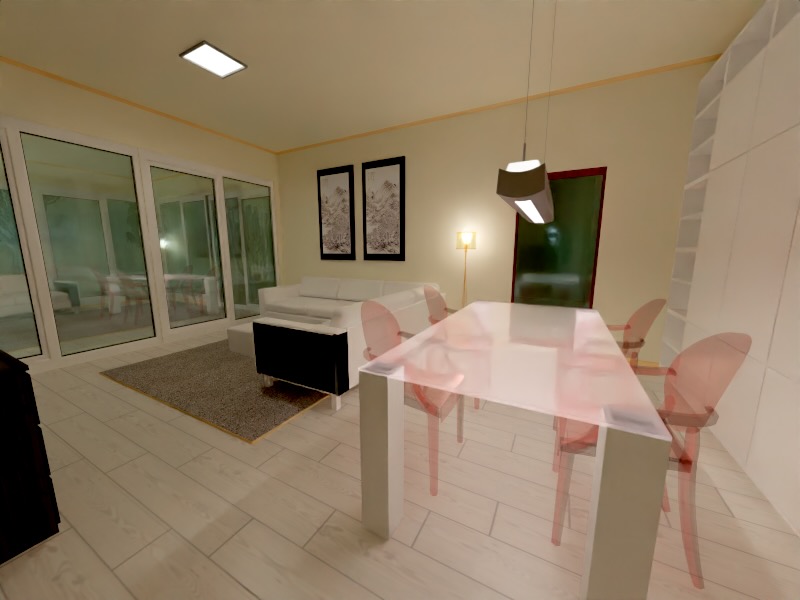
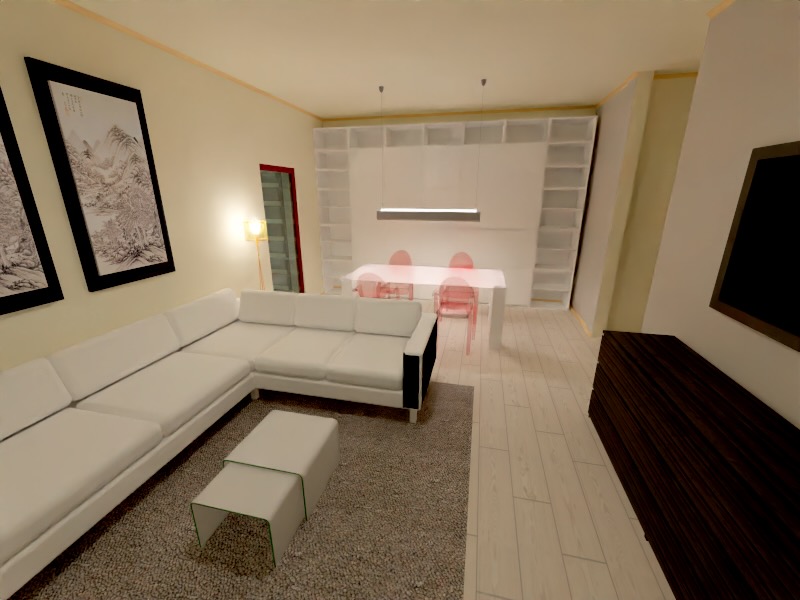
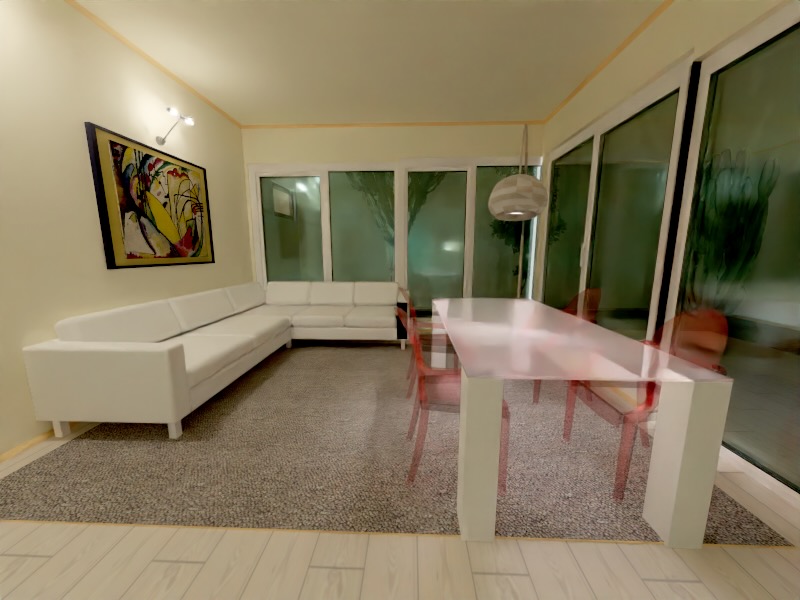
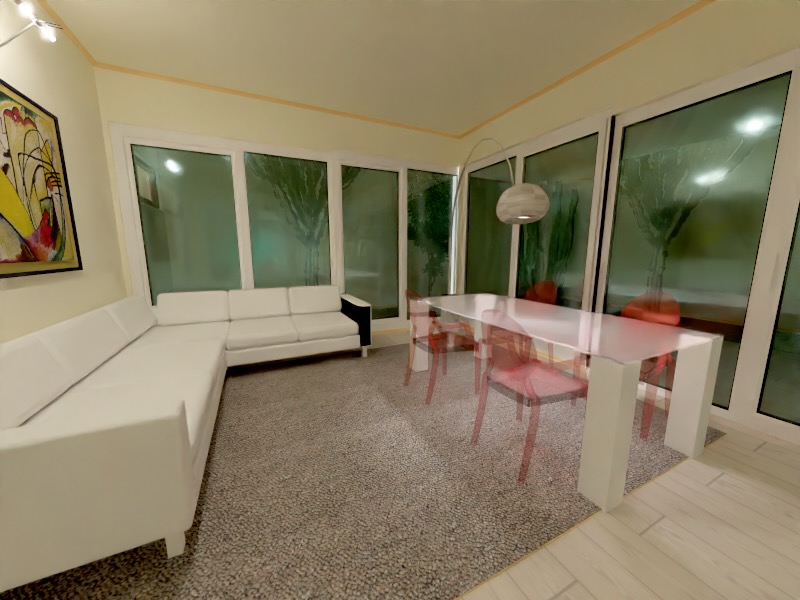
Project implementation: Once the rendering and plans have been approved, the actual implementation of the project begins. This phase may involve various professionals, including artisans, bricklayers and electricians, depending on the needs of the project.
Photographic documentation: Finally, the work process is documented with photos that show the various phases of the project, from the survey phase to completion, thus offering a visual account of the entire process.
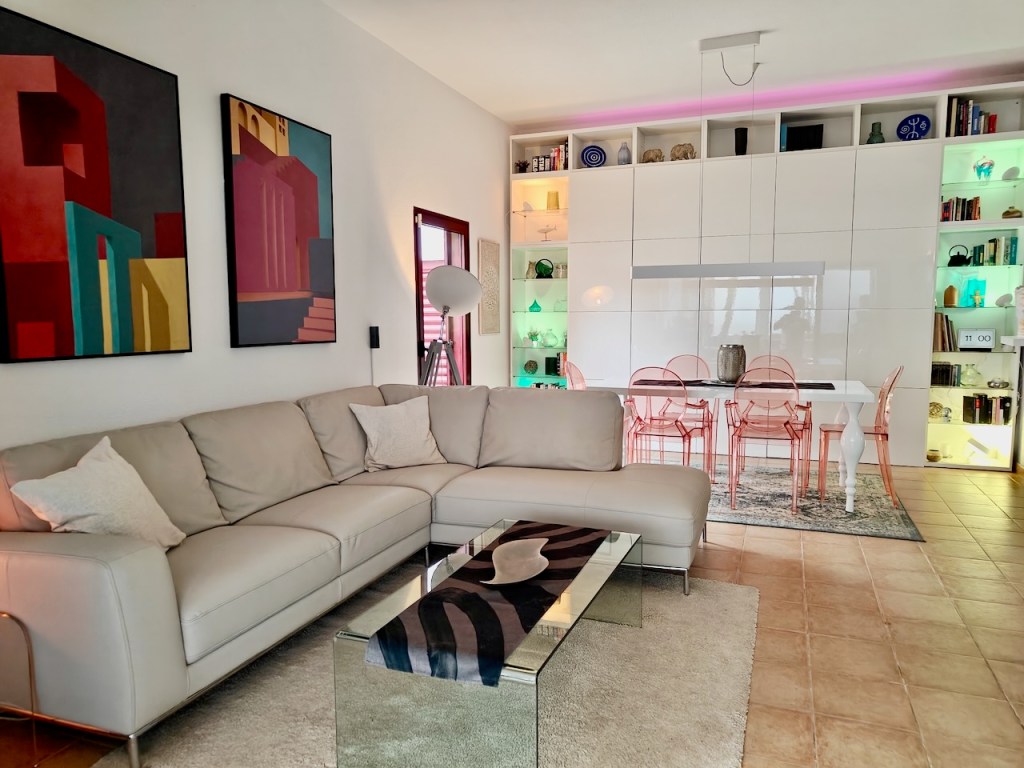
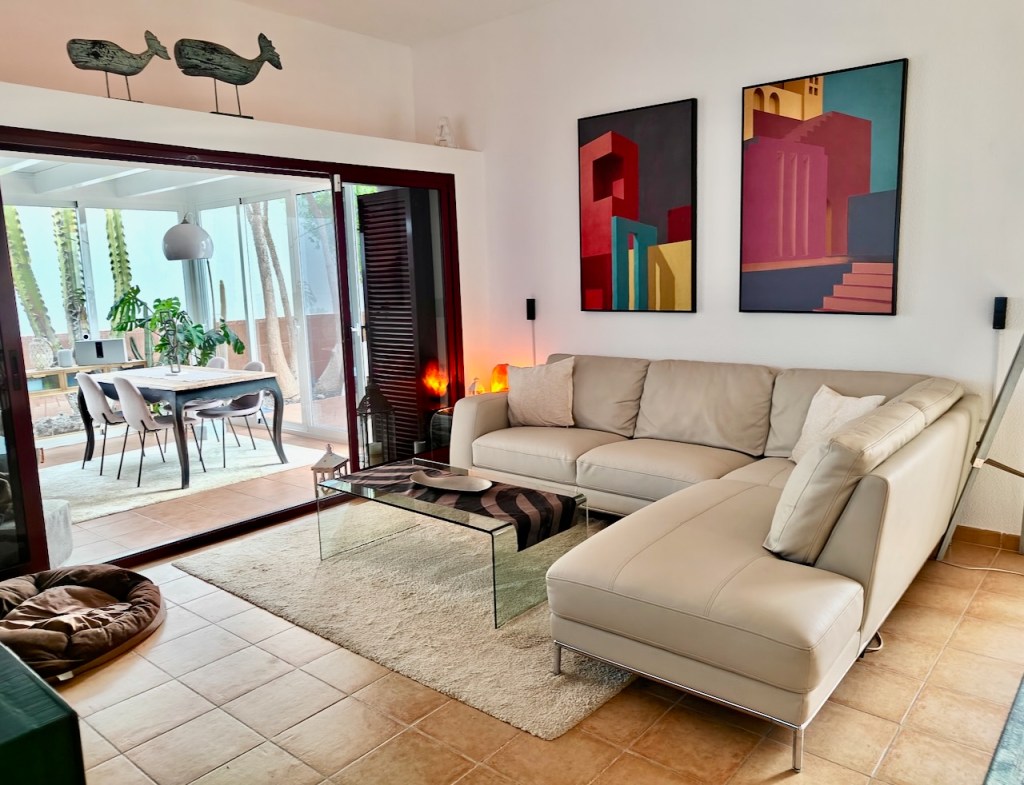
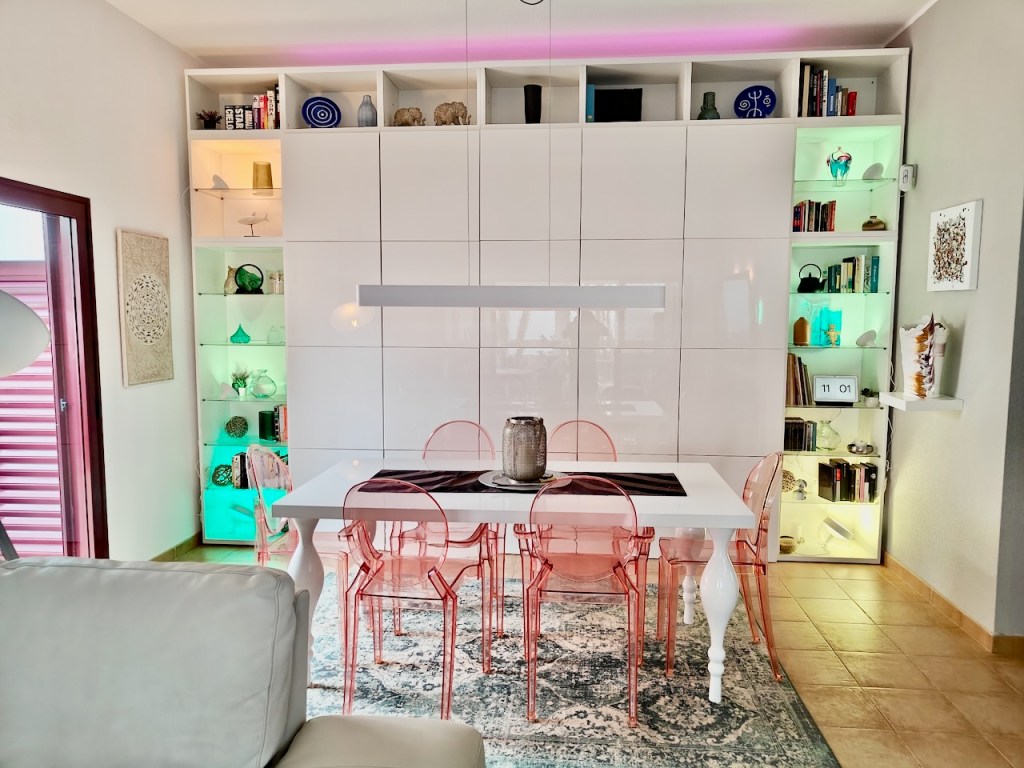
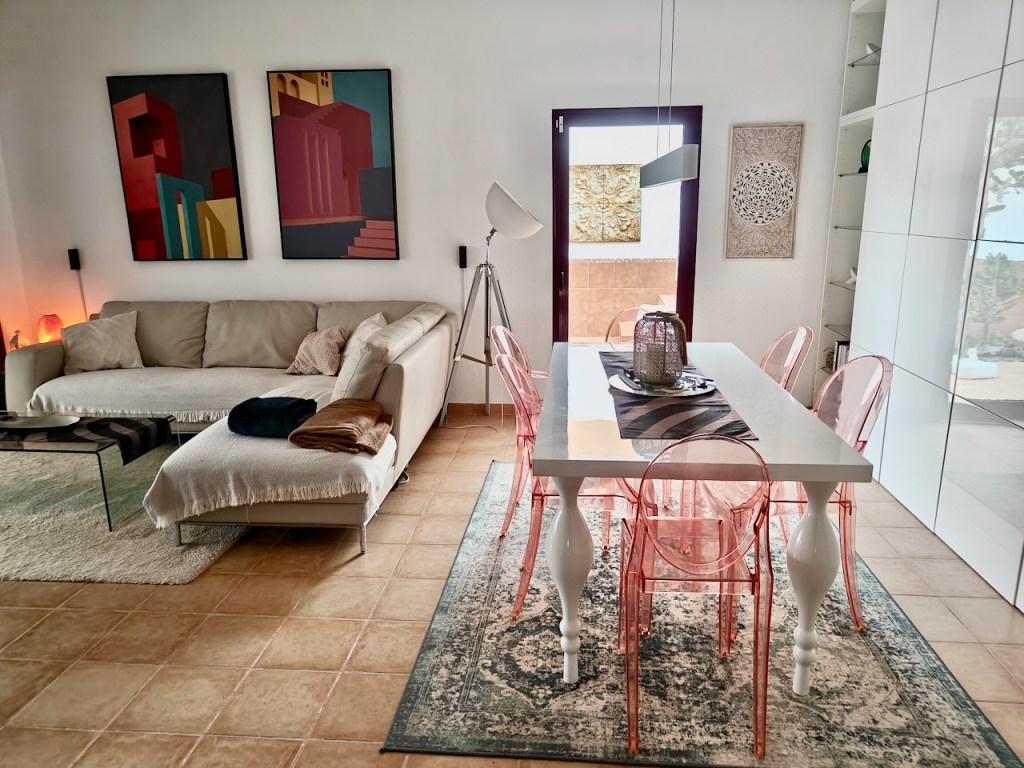
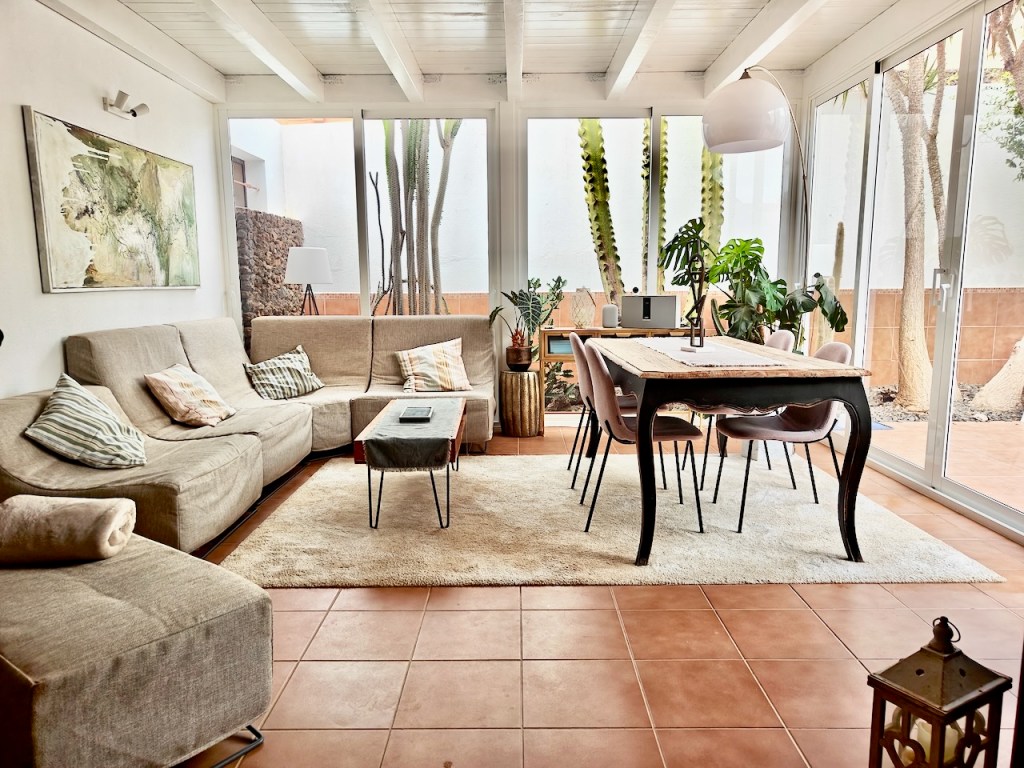
This methodical approach not only ensures a high-quality end result, but also helps keep the project in line with the client’s expectations.
 Phocalis